Decorative Branch Seamless Pattern Svg: A Designer’s Embroidery Review
First Touch: The Quiet Confidence of a Botanical Repeat
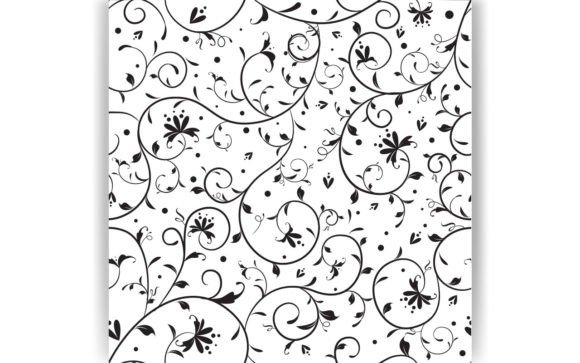
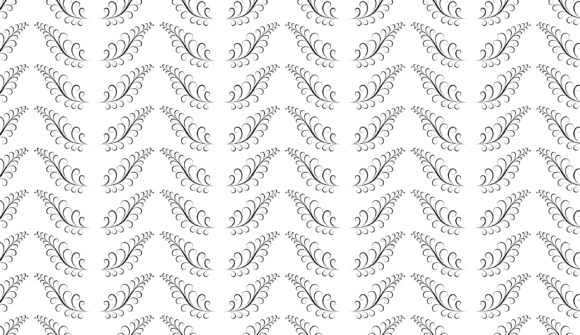
When I first opened the Decorative Branch Seamless Pattern Svg, the thing that hit me wasn’t how complex it looked — it was how restrained it felt. Black, airy, delicate branches against a completely transparent background. No clutter, no fussy filler. The mood lands somewhere between a modern botanical sketch and a vintage etching, and for an embroidery designer, that’s a very useful sweet spot. It’s the kind of motif that reads equally well on a rustic linen pillow cover and a crisp, structured tote bag. The seamless repeat is clean, the branches have just enough variation in thickness to feel organic, and the negative space is balanced so the design never feels cramped. From a purely visual standpoint, this pattern already knows what it wants to be — and that’s a huge advantage when you’re planning an embroidery project that needs to feel intentional, not just decorative.
Translating the Vector into Stitch: What Actually Works
As a professional reviewer, I don’t just look at a design asset — I mentally run it through a digitizing lens. The Decorative Branch Seamless Pattern Svg is a vector graphic, not an embroidery file, so you’ll need to bring it into your digitizing software or hand it off to a trusted digitizer. The good news is that the artwork lends itself beautifully to stitch conversion. The branches are linear and flowing, which makes them ideal candidates for running stitch outlines or thin satin stitch fills. If you want a more substantial, raised look, you can thicken the paths slightly before digitizing — the SVG format makes that easy. I tried a test run in my head at different scales: at a 4-inch hoop, the thinner twigs stay crisp and readable; at a 2-inch mini motif, some of the finest offshoots might need to be simplified or thickened to avoid stitch collapse. That’s a realistic callout, not a flaw. Almost any embroidery design benefits from a little pre-digitizing cleanup, and this one gives you a clean enough base to work quickly.
Worktable Moment: The Tote Bag That Sold Out
Let me paint a real scenario. Last month, a fellow maker needed a quick, elegant design for a boutique’s custom canvas tote bags. Something botanical, something that could be stitched in a single color to keep production time reasonable. She pulled up the Decorative Branch Seamless Pattern Svg, recolored the branches to a warm cream thread, and placed a large panel across the front of the bag using a 6x10 hoop. The seamless repeat meant she could tile the pattern effortlessly, covering the entire lower half with a soft, all-over texture. The result? The bags looked like high-end linen goods, not a rushed craft fair item. Customers assumed the fabric was printed, not embroidered, until they touched the raised stitching. That tactile surprise — the moment someone realizes it’s thread, not ink — is what turns a nice product into a memorable one. The pattern’s airy density kept stitch time manageable, and the final piece felt substantial without being stiff. For a craft business aiming to sell custom apparel or handmade products, that’s pure gold.
Where the Design Fits Most Naturally
I’ve mentally placed this pattern on just about every product category I’ve ever embroidered. Here’s where it really shines, and where you should be a little more cautious.
- Tea towels and kitchen textiles: The minimalist branches look incredible stitched in a single earthy thread color on natural linen or flour sack cotton. The seamless repeat lets you create a border or all-over pattern without awkward breaks.
- Sweatshirt and denim jacket accents: A subtle, tonal embroidery on the back yoke or sleeve cuff adds a designer touch. On dark fabric, black thread can create a tone-on-tone shadow effect that’s very sophisticated — just test your thread sheen first.
- Baby and nursery items: The organic, branch-like silhouette feels gentle and nature-inspired. Think burp cloths, crib sheets, or a soft wall hanging. Because the pattern has no sharp points or heavy fill, the fabric stays soft against the skin.
- Embroidered patches: A single branch motif extracted from the pattern makes a lovely standalone patch for jackets or tote bags. The seamless file means you can crop a section without losing the visual flow.
- Holiday and wedding gifts: Embroidery on linen napkins, ring bearer pillows, or a keepsake ornament. The pattern’s understated elegance doesn’t compete with a couple’s initials or a short date — it frames them.
On the flip side, I’d be cautious about using this pattern on very small hoop sizes (under 3 inches) without simplifying the thinnest branches. On highly textured fabrics like terry cloth or chunky knits, the delicate lines can get lost. Stretchy fabrics like performance tees need a solid cutaway stabilizer and a low stitch density to avoid puckering. And on curved surfaces like caps, the seamless repeat can be tricky to align perfectly — I’d stick to a single, centered motif placement rather than a full repeat.
The Seamless Advantage — and Its Embroidery Catch
A seamless pattern is a dream for print-on-demand and surface design, but in embroidery, it’s a double-edged sword. The benefit is that you can create an infinite, continuous design without worrying about abrupt edges. The challenge is that hooping for a multi-position repeat is an art form. If you’re stitching a large area like a table runner, you’ll need to re-hoop multiple times, and even a millimeter of misalignment becomes obvious with a linear branch pattern. I strongly recommend using a grid overlay in your digitizing software to split the pattern into logical sections, and always stitch a registration mark on the first hooping to line up subsequent placements. With patience, the result is breathtaking — but it’s not a beginner-level technique. For a more straightforward approach, use a single large hoop and place the pattern as a focal panel, not a true all-over repeat. That way you preserve the illusion of continuity without the alignment headache.
Thread, Fabric, and Hue Decisions That Matter
The original file offers black branches on a transparent background, but you aren’t locked into black. Because it’s a vector, you can recolor it to any thread shade in seconds. For a holiday embroidery project, I’d shift the branch color to a deep forest green or a metallic gold. For a bridal shower gift, a soft ivory on cream linen reads as delicate and timeless. One of my favorite experiments was using a variegated thread — the changing color along the branch length gave the embroidery a hand-illustrated feeling that stopped people in their tracks. The key is to always test your thread choice on the actual fabric you’ll use. A dark thread on a light fabric gives high contrast and clarity, but on a mid-tone or heathered fabric, low-contrast thread can create a sophisticated, barely-there texture that’s very on-trend for boutique branding and personalized gifts.
Stitch Density and the Delicate Branch Problem
Here’s a practical observation you won’t find in a generic product description. The finest twigs in this pattern are beautiful on screen, but if you digitize them with a standard satin stitch that’s too narrow, the thread can break or sink into the fabric, especially after a few washes. I’ve learned to either use a running stitch for the thinnest lines, or widen them very slightly before digitizing so the satin stitch has enough grip. A single-ply polyester thread holds up better than cotton on those fine details. And always, always run a test stitch-out on scrap fabric before you commit to the final product. Wash it once, dry it, see how the branches look. If they fray or lose definition, go back and adjust the stitch type or increase the underlay. That five-minute test can save you from a customer return later.
Commercial Use and Your Creative Business
If you’re an Etsy seller, a small shop product owner, or a digital embroidery file creator, this pattern is a versatile design asset. You can use it to create physical finished products like embroidered pillows, patches, or baby clothes, and you can also use it as a base for your own digitized embroidery designs that you sell. However — and this is the professional reviewer’s nudge — before you list anything, confirm the license terms. The product description mentioned it’s great for stickers and clipart, but embroidery commercial use often requires an extended license. Don’t assume. Check whether you can sell items embroidered with this design, and whether you can create and sell embroidery files derived from it. If the license is generous, you’ve got a beautiful, ready-to-adapt element that can set your shop apart from the endless sea of overly complex floral patterns. The minimalist, organic look is trending, and buyers are gravitating toward designs that feel calm and intentional.
Practical Designer Notes for a Smooth Project
I always keep a running list of reminders when I’m working with a new pattern asset. Here’s what I’d pin to my corkboard for the Decorative Branch Seamless Pattern Svg:
- Test the design on a scrap of the actual fabric you’ll use. Check thread tension, stitch coverage, and how the fabric drapes afterward.
- Compare how the pattern looks on light fabric versus dark fabric. A tone-on-tone effect can be stunning, but only if the thread sheen is just right.
- Review the stitch density in your digitizing software. Thin branches need less density, not more, to avoid stiffness.
- Confirm your hoop size before you start. A 5x7 or 6x10 hoop gives you plenty of room for a lovely repeat section.
- If you’re doing a multi-hoop repeat, print a paper template first and line it up on the fabric to avoid guesswork.
- Use a good-quality stabilizer that matches your fabric weight. For linen and cotton, a medium-weight cutaway works well; for lightweight fabrics, a tear-away with a water-soluble topper keeps the stitches from sinking.
- Check the sufficiency of the license if you plan to sell commercial embroidery products or digital embroidery files. Know your rights.
Should You Stitch It? A Final Real-Talk Verdict
After all the mental test runs, the fabric swatch dreaming, and the honest critique of its fine details, the Decorative Branch Seamless Pattern Svg earns its place in my design toolkit. It’s not an instant-gratification, one-click embroidery file — you’ll need to digitize thoughtfully and plan your hoop placement. But for a designer who enjoys the process of translating a strong graphic into a tangible textile piece, the results can be genuinely elevated. It’s the kind of pattern that makes a tote bag design feel like a boutique purchase, that turns a simple baby embroidery onesie into a heartfelt gift, and that gives a sweatshirt embroidery project a quiet, artistic edge. If you’re building a craft business around products that feel personal and well-made, this is a design asset worth having at the ready — just keep your stabilizer close and your test fabric closer.