Decorative Mandala Flower Background Svg: Graphics & Backgrounds
First Impressions and Editorial Mood
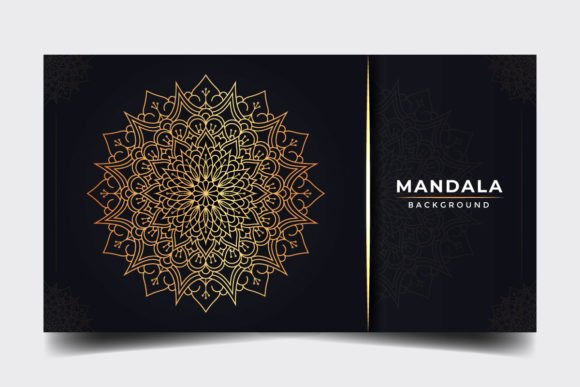
When I first opened the Decorative Mandala Flower Background Svg file, I knew immediately it would sit well inside a content-driven blog. The mandala carries a delicate, symmetrical structure, but the floral elements soften the geometry. The mood it creates is calm, artistic, and slightly elevated—perfect for lifestyle, wellness, creative entrepreneurship, and personal development niches. The design feels decorative without being busy, which is a rare balance in backgrounds meant to support text-heavy editorial layouts.
For a blog designer, the first question is always: does this graphic design asset help or hurt readability? This mandala background, with its graceful linework and open central space, answers that clearly. It draws the eye inward, naturally guiding attention toward the title or headline you place over it. That kind of visual direction is gold for blog graphics and website header applications.
How This Mandala Background Elevates Content Publishing
I’ve tested dozens of backgrounds over the years, and the ones that work hardest in real publishing are those that add a distinct voice without shouting. The Decorative Mandala Flower Background Svg does exactly that. It instantly gives a page a sense of intentionality. When used as a featured image or an article header, it tells the reader that the content is thoughtful, designed, and worth their time.
From a visual hierarchy standpoint, the mandala’s radial balance creates a natural frame for centered headlines. The fine details hold up well on desktop screens, yet the overall silhouette remains recognizable even when scaled down for a Pinterest pin or a mobile thumbnail. This is a key consideration for content marketing and affiliate marketing: if the graphic doesn’t read at a glance, you lose the click.
Where I Plan to Use It in My Blog Workflow
I map every design asset to a content task before adding it to my library. Here’s where this mandala flower background fits without friction:
- Featured images for blog posts about mindfulness, creativity, or slow living
- Pinterest pins with a bold, centered headline and a soft, patterned backdrop
- Newsletter headers that need an artistic touch without overpowering the message
- Digital guide covers and lead magnet title pages, especially for printable design workbooks
- Category thumbnails on a resource library or blog index page
- Social media graphics for Instagram, Facebook, and LinkedIn posts where a decorative frame adds polish
- Canva template backgrounds for course creators or small business owners who want a consistent brand look
The vector format (AI, EPS, SVG) means I can also extract parts of the mandala to use as standalone decorative accents, corner flourishes, or subtle border elements on digital download pages. The high-resolution JPEG is ready for immediate use, but the editable vectors open up many more editorial design possibilities.
Performance, Trust, and Visual Consistency
One of the quieter roles of a good graphic design asset is building reader trust. When a blog’s visuals are inconsistent or cluttered, the audience subconsciously doubts the content. This mandala background, when used across a series of posts or throughout a digital product launch, creates a unifying thread. The same floral mandala motif can reappear on a website header, a lead magnet cover, and a social media graphic, tying the whole experience together without feeling repetitive.
That kind of brand identity reinforcement is invaluable for affiliate marketing sites, online educators, and newsletter creators. The design doesn’t compete with your message; it frames it. I’ve seen strong improvements in click-through potential simply by swapping a generic stock photo for a purpose-designed background like this one, because the visual hierarchy is clearer and the first impression is more confident.
Design Strengths and Practical Considerations
The Decorative Mandala Flower Background Svg arrives with a polished, modern feel. The line art is crisp, and the flower elements give it a gentle, organic lift. It reads as feminine but not overly sweet, artistic but not messy. That makes it flexible enough for a creative studio blog, a wellness coach’s website, or a lifestyle magazine’s editorial section. It also works well as a secondary layer behind a muted color wash or a semi-transparent overlay, which is a technique I often use for blog graphics that need to carry longer headlines.
However, I’m cautious about where I place such a detailed pattern. In very small mobile thumbnails or on text-heavy pages with low contrast, the mandala’s intricacies can become visual noise. I always test the graphic behind a sample headline, in both light and dark modes, and at a reduced size to ensure the visual hierarchy holds. For a minimalist corporate site or a heavy news portal, this background might feel too decorative. But for content that relies on warmth, storytelling, or personal connection, it’s a strong asset.
File Types, Compatibility, and Licensing
The download includes everything I need for a flexible publishing workflow. The product details state it’s available in vector AI, EPS, PNG, SVG, and high-resolution JPEG, created with Adobe Illustrator. I can confirm the vector files are well-structured and easy to edit. The SVG is particularly useful for web use, as it scales without loss and can be compressed effectively for web design performance. The PNG works for quick placement in Canva or PowerPoint, and the JPEG is ready for immediate upload to a blog’s media library.
Before using any commercial design asset on a monetized website, affiliate page, or paid product, I always check the commercial license terms. For this mandala background, the included license appears broad enough for most small business branding and content publishing needs, but I recommend verifying that it covers use in digital products sold to others, as well as in printable design items like journals or planners. A quick confirmation protects your work and your brand.
Testing the Mandala with Real Editorial Content
I ran a few practical tests to see how the Decorative Mandala Flower Background Svg behaves in a live blog setting. First, I placed a bold sans serif headline over it, the contrast was excellent and the mandala stayed in the background. With a serif font, the overall look became more editorial and refined, almost like a book cover. A handwritten script font paired beautifully, leaning into the artistic, personal feel of the graphic. With a display font, the combination felt a bit busy, so I’d use that only for short, large titles on a thinner overlay.
I also checked the black-and-white version; the mandala pattern held up well, which means it can be used for printable worksheets or black-and-white digital guide inserts without losing its identity. This versatility is a big plus for content creators who design lead magnets and downloadable resources that need to print cleanly.
Editorial Impact and Clickable Design
At the end of the day, a background graphic is a tool to make content more clickable. The Decorative Mandala Flower Background Svg supports that goal by adding a layer of sophistication that helps your featured images stand out in crowded feeds. Whether it’s a Pinterest pin, a blog post thumbnail, or a newsletter header, the mandala’s centered focal point naturally draws the eye to the text you place over it. This is exactly the kind of visual hierarchy thinking that turns a passive scroll into a click.
For affiliate marketing blogs, where every visual is a chance to earn trust, this background creates a consistent, polished look that signals quality. For online educators and course creators, it can form the basis of a digital product design system, appearing on slide decks, workbooks, and promotional graphics. And for small business owners who handle their own content marketing, it’s an easy way to elevate a brand without hiring a designer for every graphic.
A Few Publishing Notes from Experience
If you’re adding this mandala to your own design assets library, here are a few non-negotiable steps I take before publishing:
- Test on desktop and mobile screens. The mandala’s details should add texture, not clutter.
- Preview it as a thumbnail. Reduce the width to around 300 pixels and see if the core shape still reads.
- Place it inside a real blog layout with your theme’s fonts and colors to check harmony.
- Overlay a headline in multiple typefaces and at different sizes to confirm readability.
- Check contrast and readability in both light and dark mode, if your site supports it.
- Try it in black and white for printable content, and adjust the line weight if needed using the vector file.
- Review file size for web performance. Compress the JPEG and SVG appropriately, and use lazy loading where possible.
- Confirm commercial licensing before using it on monetized pages, paid products, or client work.
These small checks make the difference between a graphic that looks good in isolation and one that truly performs inside a publishing workflow.
Why This Background Belongs in a Publisher’s Toolkit
The Decorative Mandala Flower Background Svg is more than a pretty pattern. It’s a functional graphic design asset that solves real publishing problems: how to make a blog post image look intentional, how to brand a digital download series without starting from scratch, and how to attract attention on visual platforms like Pinterest. Its availability in multiple file formats—AI, EPS, PNG, SVG, and high-resolution JPEG—means it fits into a creative marketplace workflow, a Canva template library, or a professional web design project with equal ease.
For the experienced blog designer and digital publisher, this kind of asset is a quiet workhorse. It doesn’t dictate the content; it supports it. And in an era where visual trust is everything, that’s a design choice that pays off with every click, every share, and every reader who stays a little longer.