Decorative Vintage Frame Art Design for Graphics & Templates
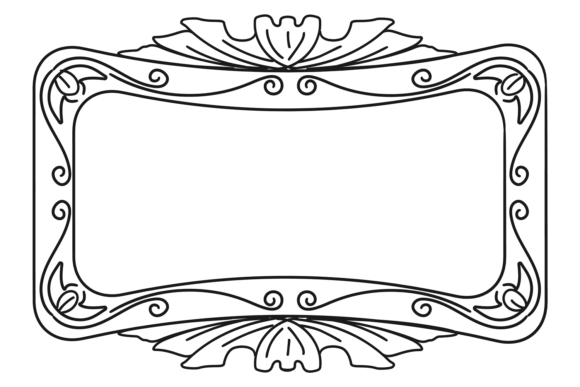
When I first opened the Decorative Vintage Frame Art Design file set, I immediately saw a classic, versatile backdrop that could anchor a dozen different product types. The lines are ornate without feeling heavy, and the symmetry gives it a formal, heritage feel that still reads as fresh in a modern digital shop. For someone who builds graphic design assets and printable designs weekly, this is the kind of element that solves a layout problem before it starts. It’s not trying to be the star of the composition, but it holds its own enough to make a simple typography edit look like a polished, high-end offering.
First Impressions from a Product Creator’s View
Right away, the mood of this frame sits between antique botanical plates and French apothecary labels. It’s elegant, somewhat formal, and undeniably feminine in a restrained way. The decorative swashes and corner flourishes give it enough personality to stand out in a Canva template or a printable wall art download, but it’s not so ornate that it fights with other elements. I could see it pairing effortlessly with soft floral clipart, minimalist wedding stationery, or even a moody, vintage-inspired book cover.
The visual personality leans toward the premium, handmade side of the marketplace. This isn’t a playful or cute frame; it’s decorative with a sense of permanence. Buyers browsing for Etsy products like memorial prints, family recipe cards, or custom poems will gravitate toward this look. At the same time, it’s neutral enough to be repurposed for modern branding if you adjust the color palette. I tested it mentally against a few shop niches: a watercolor artist selling digital downloads, a print-on-demand seller launching a vintage tea towel line, and a digital product creator building a design bundle of certificate templates. In every case, it held up.
Who This Vintage Frame Speaks To
If you’re the kind of seller who builds collections around a cohesive aesthetic, this asset will feel like a time-saver. The frame’s character is broad enough to attract a wide audience but specific enough to build a recognizable brand. I’d expect it to appeal to customers hunting for antique-inspired home decor, elegant wedding suites, or heritage-themed scrapbooking kits. Small business owners who need a polished but not corporate look for their social media graphics will also find it useful. It bridges the gap between commercial and handmade, which is exactly where many successful creative marketplace shops operate.
Building a Cohesive Collection Around One Asset
Imagine you’re a seller preparing a seasonal digital download shop update. Instead of designing from scratch, you drop the Decorative Vintage Frame Art Design into a series of Canva templates. You create a set of editable invitation templates, a matching thank-you card, a set of table numbers, and a coordinating welcome sign. The frame remains consistent across all products, but you rotate the inner text, change the color from gold to dusty rose, and swap the background texture. Suddenly, you have a collection that feels curated and intentional, not just a random assortment of graphic templates.
This is the real value of a well-designed frame: it gives you a foundational structure that you can stretch across multiple product types without having to redraw your layout each time. For print-on-demand sellers, that might mean placing the frame on a mug design, a tote bag print, and a tumbler wrap mockup, all within the same series. The consistency creates a visual thread that encourages bundle purchases and repeat customers.
Practical Ways to Test Before You List
Before I ever publish a product using a new asset, I run it through a few mockup scenarios. With this frame, I started by creating a printable wall art mockup with a soft gray background and a simple quote in a serif font. The details held up beautifully at 300 DPI. Next, I tested it as a PNG design overlay on a t-shirt design mockup, reducing the opacity slightly to let the fabric texture show through. The result was subtle but distinctive. I also used the SVG design version in a Cricut project preview, checking how the cut lines would behave on adhesive vinyl. The paths were clean, though I did note that the finest swash details pushed the limits of what a home cutting machine can handle without careful weeding.
These tests matter because the way a design looks on a screen in isolation is completely different from how it reads as a thumbnail on Etsy or a product mockup on Creative Fabrica. I always check the file on a white background, a dark background, and a pastel background to see how the contrast shifts. The Decorative Vintage Frame Art Design performed best on light to mid-tone backgrounds, where the delicate linework stayed crisp. On a near-black background, the details started to lose definition, so I’d avoid using it there without thickening the stroke or adding a subtle glow behind it.
Product Categories That Benefit Most
Over the years, I’ve learned that certain product types just click with decorative frames. Here’s where this asset shines brightest:
- Printable wall art and digital downloads – The frame instantly elevates a plain text print into a gallery-worthy piece.
- Wedding invitation templates and stationery – It adds a classic, romantic touch without overwhelming the couple’s names.
- Planner stickers and scrapbooking elements – Small, framed labels or journaling spots create a cohesive sticker sheet.
- Certificate and award templates – The ornate border gives a formal, official feel that suits recognition products.
- Social media graphics and blog post covers – Use it as a backdrop for a featured quote or a weekly roundup image.
- Canva template bundles – Sellers can build entire editable suites around this single frame.
- Product packaging design – A framed label on a candle jar or soap box instantly communicates handmade quality.
In each of these cases, the frame acts as a container that organizes the visual hierarchy. It gives the buyer’s eye a clear place to rest, which is especially important in crowded creative marketplace thumbnails where grabbing attention is half the battle.
When to Use Caution and Tweak the Design
Not every product is a perfect fit. The fine details that make this frame beautiful can also become a liability in certain contexts. I’d hesitate to use it as a tiny sticker design element smaller than about one inch, because the intricate swirls would likely fill in or become muddy during printing. Similarly, for Cricut projects with very small dimensions, the cut paths might be too delicate for a clean release from the mat.
Text-heavy templates also require some care. If you’re overlaying a long paragraph of copy inside the frame, the ornate border can compete with the text and reduce readability. I’d either enlarge the frame to give the text more breathing room or simplify the inner content area with a subtle solid background. Another potential pitfall is using the frame on a t-shirt design with a dark garment; the contrast might need a boost, so consider using a lighter version of the frame or adding a distressed effect to make it feel intentional.
File Format Notes for Sellers
The product description promises a range of file types, and as a seller, that’s exactly what I want to see. The Ai and Eps files give me full control to edit and recolor the vector artwork in Adobe Illustrator or Affinity Designer. The Svg is essential for Cricut and Silhouette users, and I always test it to confirm the cut lines are clean and welded properly. The Png with transparency is what I use most often for Canva templates and printable designs because it layers seamlessly over any background. The Jpg is handy for quick previews or for customers who want a simple, no-fuss file.
When I organize these for a customer download, I typically create clearly labeled folders: “Editable Vectors,” “Transparent PNGs,” “SVG Cut Files,” and “High-Res JPGs.” This small step reduces confusion and support requests, and it makes your shop look more professional. Always check the PNG resolution. For print-on-demand products, I aim for at least 300 DPI at the size I intend to use. The Decorative Vintage Frame Art Design files I received were crisp and well-organized, which saved me a lot of prep time.
Typography Pairings That Elevate the Look
One of the quickest ways to test a frame’s versatility is to pair it with a few different font styles. I tried a delicate script font for a wedding invitation mockup, and the frame supported the romantic feel without overpowering the lettering. A bold serif font gave the design a stately, editorial vibe that would work for a literary quote print. A clean sans-serif created a modern contrast that felt fresh and unexpected, almost like a gallery wall piece. A soft handwritten font kept the mood approachable, making it ideal for a grocery list notepad or a recipe card. Even a display font with exaggerated letterforms felt balanced inside the frame, as long as I kept the text short and centered.
This kind of experimentation is worth doing before you finalize a product listing because it reveals how flexible the asset truly is. If a frame can support five different typographic moods, it can almost certainly support five different product types.
Final Thoughts on Commercial Use
From a practical standpoint, the Decorative Vintage Frame Art Design is a solid investment for anyone who sells digital downloads or physical products that rely on a classic, decorative aesthetic. It’s not a trend-chasing asset; it’s the kind of design that stays relevant year after year, which makes it a safer bet for building a long-term product collection. I’ve already slotted it into my next design bundle of printable art, and I’m confident it will reduce the time I spend on layout while increasing the perceived value of the finished products.
If you’re a small business owner or a digital product creator who needs to move quickly from concept to listing, this frame is the kind of graphic design asset that earns its place in your toolkit. Just remember to test it on real mockups, check the cut quality for SVG purposes, and always confirm your commercial license covers the product types you plan to sell. A little due diligence upfront goes a long way toward keeping your shop running smoothly.