Grunge Chessboard Emoji Seamless Pattern: Graphics & Patterns
As a graphic designer who’s shipped over 200 client projects—from Etsy brand identities to print-on-demand apparel lines—I recently pulled Grunge Chessboard Emoji Seamless Pattern into a mood board for a new handmade board game startup. Their vibe? Playful, irreverent, tactile—think screen-printed tote bags, sticker sheets for indie game nights, and Instagram posts that stop mid-scroll. This pattern didn’t just catch my eye—it immediately clarified the tone.
First Impression: Raw, Human, and Unapologetically Playful
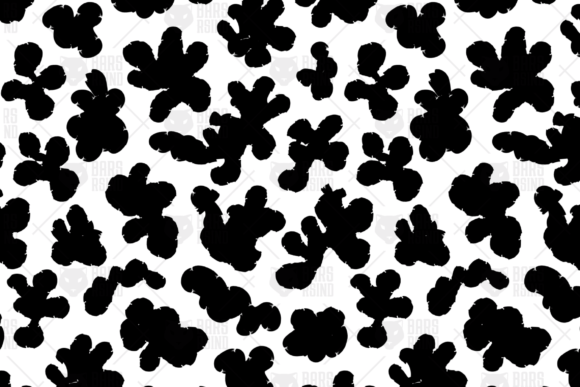
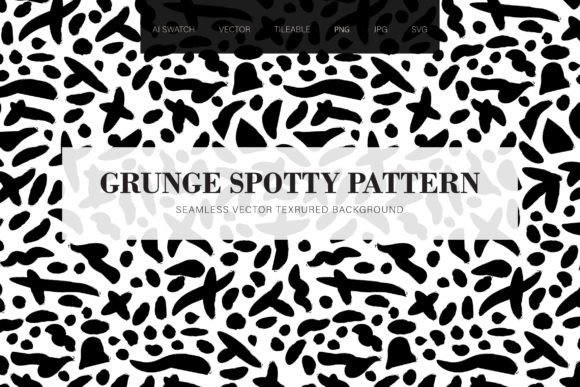
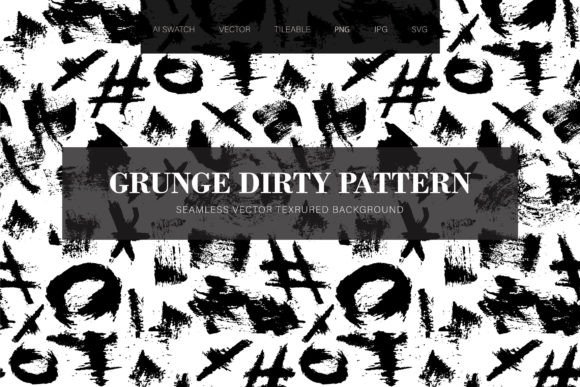
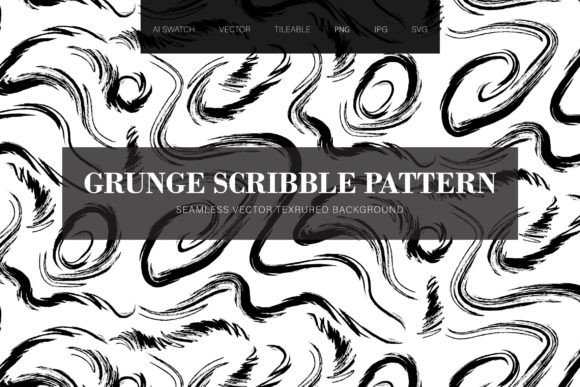
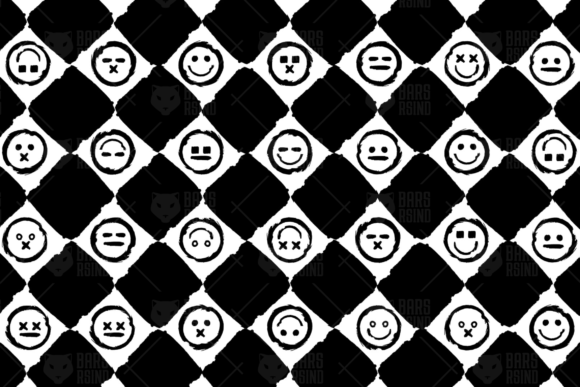
The moment I opened the file, I felt the texture—the slight paper grain, the uneven ink bleed around each emoji face, the deliberate wobble in the chessboard grid. Grunge Chessboard Emoji Seamless Pattern is created by spots using brush and paper, and that hand-made authenticity reads instantly. It’s not “sloppy” in a careless way; it’s sloppy with intention—like a sketchbook page scanned at 300 DPI and lovingly preserved. That tactile honesty makes it ideal for brands rejecting sterile digital perfection: craft breweries, zine publishers, Cricut-powered small businesses, and Gen Z–focused digital products.
Where It Shines in Real Client Work
This pattern thrives where personality needs to anchor the design—not disappear behind it. In our board game project, we used Grunge Chessboard Emoji Seamless Pattern as:
- Product mockups: Wrapped around a wooden game box prototype—added instant charm without competing with logo placement;
- Sticker design: Cut as die-cut vinyl stickers (emoji faces became standalone collectibles);
- Social media graphics: As a subtle background layer behind bold sans-serif headlines on Instagram carousels—gave depth without visual noise;
- Printable design: Printed on kraft paper for limited-edition rulebook inserts—paired beautifully with handwritten font headings;
- Packaging design: Repeated across a fabric drawstring bag—held up flawlessly at 12" x 16", with no visible seam breaks or pixelation.
It also performed strongly in sublimation design tests on ceramic mugs and polyester tote bags. The contrast between the grunge texture and crisp emoji expressions creates built-in visual interest—no extra filters or overlays needed. For Canva template creators or digital sellers building themed design bundles, this asset slots cleanly into “quirky gaming,” “indie nerd culture,” or “millennial nostalgia” collections.
Where to Use It With Intention—Not Assumption
Not every project benefits from its energy. I tested Grunge Chessboard Emoji Seamless Pattern in several contexts where it faltered:
- Small sizes: Below 2 inches wide, emoji details blurred; facial expressions lost legibility—avoid for tiny app icons or favicon use;
- Crowded layouts: When layered over photos or busy illustrations, it competed instead of complemented—best as a standalone background or light overlay;
- Minimalist branding: Paired with ultra-thin serifs or monochrome corporate palettes, it clashed—this isn’t a pattern for law firms or fintech dashboards;
- Low-contrast environments: On light gray or beige backgrounds, the subtle grunge texture nearly vanished—always preview on final substrate colors.
Design Judgment: Hierarchy, Trust, and Emotional Resonance
One of the most valuable things about this graphic design asset is how it supports visual hierarchy—not by shouting, but by grounding. When placed behind clean typography, it gives weight and warmth without sacrificing readability. For a handmade business launching on Etsy, that emotional resonance matters: customers don’t just buy a product—they buy the feeling of authenticity, humor, and human connection.
That said, it demands careful pairing. I ran quick tests against common font families: it harmonized best with bold grotesque sans-serifs (like Montserrat Black), playful display fonts (such as Bangers), and slightly irregular handwritten fonts. Serifs like Georgia or Garamond felt too formal—unless intentionally juxtaposed for ironic contrast. Always test your chosen typeface at real size, with real spacing, before locking in.
Practical Designer Notes Before You Deploy
Before adding Grunge Chessboard Emoji Seamless Pattern to any commercial design, run these checks:
- Test in black and white: Confirm emoji expressions retain shape and recognition when desaturated;
- Check contrast on light/dark backgrounds: Some PNG files include semi-transparent layers—verify opacity consistency;
- Preview at multiple scales: Zoom out to 25% (for hero banners) and in to 200% (for close-up packaging details);
- Place on real mockups: Don’t trust flat previews—drop it onto a t-shirt or notebook mockup to assess rhythm and density;
- Review file formats: If SVG is included, confirm vector paths are clean and editable—not raster traces;
- Verify commercial license: Ensure it permits use in client work, print-on-demand platforms, and digital resale (e.g., Canva templates or sticker packs);
- Inspect PNG transparency: Look for fringing or anti-aliasing halos that could cause issues in sublimation or cut-file workflows.
For Cricut users, this pattern works well as a fill texture inside SVG cut files—but only if the source file has crisp edges and no embedded compression artifacts. For editorial design or blog visuals, it adds instant character to quote cards or section dividers—just avoid stacking it with other high-contrast patterns.
A Strategic Creative Asset—Not Just a Pretty Fill
Grunge Chessboard Emoji Seamless Pattern isn’t filler. It’s a mood-setter. A conversation starter. A shortcut to credibility for brands that want to feel handmade, clever, and culturally current. When aligned with the right client—a small business branding project, a seasonal campaign for a local game café, or a printable wall art collection—it elevates the entire creative marketplace offering.
In an era where audiences scroll past polished stock graphics in under half a second, assets like this—rooted in physical process, expressive imperfection, and clear stylistic intent—don’t just decorate. They communicate. And for designers building real-world impact, that’s the highest form of utility.