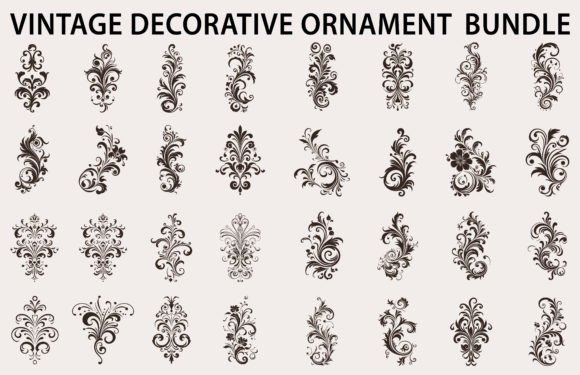
Vintage Decorative Element Vector Set: A Designer Review
When I first scrolled through the Set of Vintage Decorative Element Vector, I felt that quiet spark of recognition that only comes from finding artwork with genuine character. The calligraphic flourishes, the ornamental curves, the typographic sensibility woven into each decorative element—this is not the kind of generic clipart you forget five minutes later. It carries the mood of old letterpress prints, the warmth of hand-drawn signage, and the kind of detail that makes a finished embroidery project feel intentional rather than off-the-shelf.
I have spent years testing machine embroidery design files across different fabrics, hoop sizes, and product types. My instinct with this bundle is that it belongs on projects where elegance matters. Think personalized wedding handkerchiefs, boutique tote bags with a heritage feel, linen pillow covers destined for a carefully styled home, or custom aprons that look like they came from a small European market. The ornamental personality of these elements leans into timelessness, not trends, and that is exactly what many craft business owners and Etsy sellers need right now.
First Impressions and the Mood These Ornaments Create
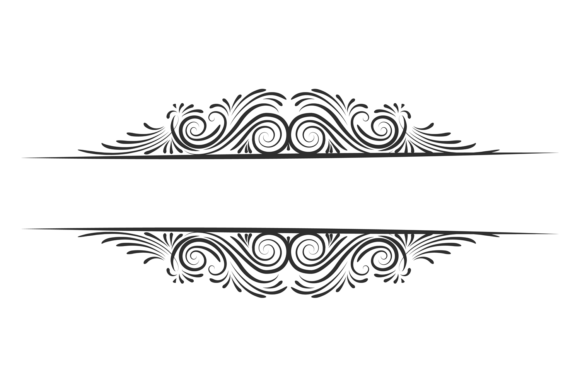
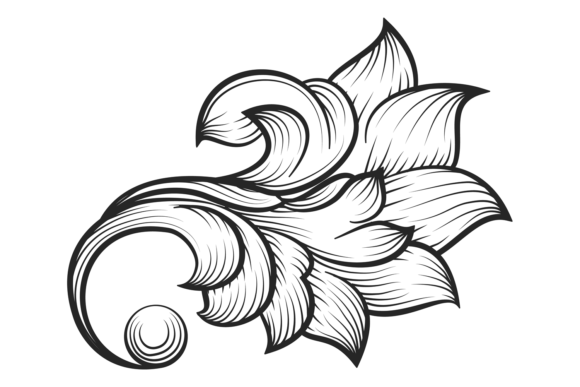
Opening the set, I noticed how the calligraphic vector decorative ornament element styling gives each piece a handcrafted rhythm. The lines are not stiff or overly mechanical. They curve with a natural flow that suggests ink on paper, which translates beautifully into thread. When I imagine this artwork stitched out as an embroidery file, I see the satin stitches catching light along those tapered flourishes, creating subtle dimension that flat printing simply cannot replicate.
The vintage typographic influence means many of these elements work as standalone accents or as framing devices around monograms, dates, or short phrases. If you are a maker who sells personalized gift items at craft fairs or through your online shop, this is the kind of design asset that lets you offer something distinctive without spending hours digitizing your own ornamental borders. The mood is refined but not stuffy, decorative but not overwhelming. I kept thinking of French country kitchens, wax seals on old letters, and the quiet luxury of well-made things.
Where This Set Naturally Belongs in Real Embroidery Work
I always judge a design by asking one question: what finished product would I feel proud to hand to a customer? With the Set of Vintage Decorative Element Vector, the answer came quickly. I pictured a small run of linen tea towels, each one embroidered with a different ornamental corner motif from the bundle, packaged neatly with a handwritten tag. That is a product that sells itself at a market stall or in a curated Etsy listing because it looks thoughtful, not mass-produced.
Beyond tea towels, I see strong potential for tote bag design work. A single large ornamental element placed off-center on a canvas tote creates instant visual interest. For sweatshirt embroidery, these decorative accents work well as chest-level details or subtle sleeve embellishments. On baby embroidery projects, the softer, more delicate ornaments can frame a child's name or birth date on a blanket or a tiny dress without feeling overly ornate. And for holiday embroidery, certain elements in the bundle lend themselves to elegant gift tags, stocking embellishments, or table linen details that elevate seasonal décor beyond the usual motifs.
I also considered cap projects. Caps are tricky because of the curved surface and limited flat embroidery area, but smaller ornamental elements from this set could sit beautifully on the side panel or just above the brim, adding a refined touch without fighting the hat's structure. Embroidered patch makers will find plenty here too—several of the decorative shapes are compact enough to become standalone patches for jackets, bags, or denim projects.
Thinking Through the Stitching Experience
As an embroidery designer, I do not just look at a vector file and assume it will stitch cleanly. I mentally walk through the thread path. The Set of Vintage Decorative Element Vector has a mix of sweeping curves and finer detail lines. In my experience, the broader flourishes will handle satin stitch settings beautifully, especially if you adjust the stitch angle to follow the natural flow of each curve. The thinner tendrils and delicate ornamental tips may need running stitch treatment at smaller sizes, so I strongly recommend testing at actual project dimensions before committing to a full production run.
Stitch density is another consideration I always flag. Ornamental designs with tight curls and overlapping swirls can become dense quickly if you are not careful with your digitizing settings. On medium-weight cotton or linen, that density adds satisfying texture. On thin or stretchy fabric, however, dense stitch areas can cause puckering or discomfort against the skin. I would avoid placing the more intricate elements from this set on lightweight jersey or anything with significant mechanical stretch unless you are prepared to use a heavy cutaway stabilizer and accept a slightly stiffer feel in the finished product.
Testing the Design on a Real Project: A Custom Tote Bag Scenario
Let me walk you through a scenario I actually sketched out while reviewing this bundle. A client wants a custom embroidered tote bag for her mother's birthday. The bag is natural canvas, medium weight, with a smooth surface. She wants something elegant but not flashy, something that feels collected rather than store-bought.
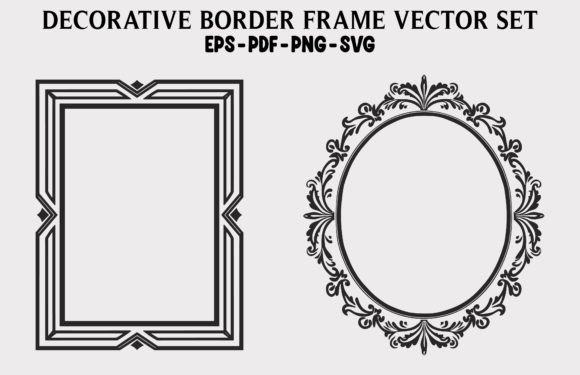
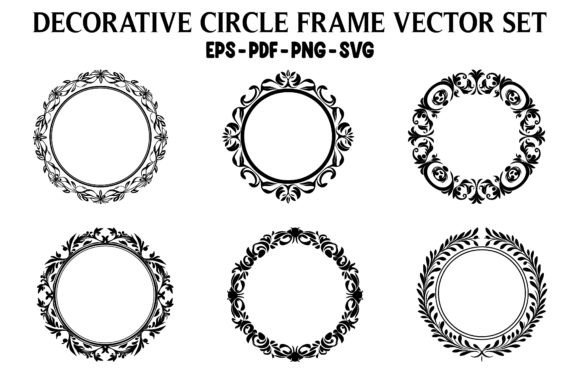
I selected one of the larger ornamental frames from the Set of Vintage Decorative Element Vector and placed it slightly above center on the tote's front panel. Inside the ornamental border, I added a short phrase in a complementary serif font. The calligraphic nature of the ornament meant the overall composition read as one cohesive piece, not two separate design elements awkwardly combined. I tested the layout in black thread on the natural canvas, then tried a deep burgundy version for comparison. Both worked, but the darker thread against the light fabric gave the stitches the crisp definition that makes handmade product photography stand out.
Before stitching, I hooped a piece of medium cutaway stabilizer with the canvas and ran a test on scrap fabric first. I checked the smallest detail points in the ornament—those delicate terminal flourishes—and confirmed they rendered cleanly at the chosen size. The result was a tote bag that looked like a boutique item, the kind of piece that justifies a higher price point because the design itself communicates care and taste.
Fabric and Color Considerations That Matter
One thing I always emphasize to fellow makers is that a design's visual impact shifts dramatically depending on fabric texture and thread color. The Set of Vintage Decorative Element Vector, with its calligraphic heritage, naturally reads as sophisticated on smooth, natural fabrics like linen, cotton sateen, and quality canvas. On textured fabrics like terry cloth or heavily slubbed linen, the finer ornamental details can lose clarity, so I would either scale up the design or choose the bolder elements from the bundle for those surfaces.
Dark fabric presents its own challenges. On black or navy garments, the delicate lines of an ornamental flourish need a thread color that contrasts enough to be legible without shouting. Metallic threads, soft gold, or even a muted cream can work beautifully here, but I strongly recommend testing thread colors on your actual fabric before finalizing any order. I also suggest viewing the design in a black-and-white mockup to confirm that the shape reads clearly without relying on color to carry the composition. This is a habit I picked up years ago, and it has saved me from more than one disappointing stitch-out.
Small Details, Small Hoops, and the Cautionary Notes
Here is where I need to be direct about limitations. The Set of Vintage Decorative Element Vector contains ornate work, and ornate work does not always shrink gracefully. If you are working with a hoop size of 4x4 inches or smaller, you will need to select only the simplest ornaments from the set and omit the most intricate interior details. Scaling down a complex ornamental frame to fit a tiny hoop often results in thread buildup, loss of definition, and a muddy finish that disappoints both you and your customer.
I also advise caution with baby embroidery projects on knit fabrics. The delicate skin of a baby garment combined with a dense ornamental stitch area can create a stiff patch that feels uncomfortable. In those cases, I use a soft mesh stabilizer and choose a single ornamental element rather than a full framed composition. The result is gentler, lighter, and more appropriate for infant wear.
For applique design enthusiasts, several of the ornamental shapes in this bundle could serve as elegant appliqué templates. The broader, more contained forms work best for this purpose. I would not attempt to use the highly detailed calligraphic flourishes as appliqué shapes unless you have a very steady hand and patience for trimming intricate curves.
Commercial Use and the Business Side of This Bundle
Many of you reading this are Etsy seller shop owners, craft business operators, or digital product sellers who need clarity on how you can actually use these design assets. The product description states that this digital clipart set is suitable for creating digital products, invitations, and teaching resources. That is valuable information, but it does not automatically confirm the license terms for physical embroidery products sold commercially.
Before you stitch these ornaments onto products you plan to sell, check the licensing. Some vector bundles allow commercial use on finished physical items without restriction. Others require an extended license for commercial embroidery or impose limits on the number of items you can produce. I cannot give you a definitive answer here because the listing does not explicitly detail the embroidery-specific license terms. What I can tell you is that asking the seller directly before investing production time is a professional habit that protects your business. I have learned this lesson the hard way, and I would rather you avoid that same mistake.
How These Ornaments Elevate Your Brand and Product Line
Beyond the technical considerations, there is a deeper value in choosing design assets like the Set of Vintage Decorative Element Vector. When you consistently use ornaments with a cohesive calligraphic personality, your product line starts to develop a recognizable visual signature. Customers begin to associate your handmade product style with timeless elegance rather than generic decoration. That recognition builds trust, encourages repeat purchases, and makes your brand feel intentional.
I have seen small shops transform their entire aesthetic by switching from random clipart to carefully selected ornamental elements. The difference in customer trust and buyer engagement is measurable. A well-chosen decorative accent on a pillow cover or a tea towel signals that the maker cares about proportion, detail, and finish. It raises the perceived value of the item and makes the customer feel they are buying something special, not just another embroidered product.
For printable mockup and design assets work, these vectors also hold strong potential. If you create digital embroidery previews for your listings, incorporating these ornamental elements into your mockup compositions can help customers visualize the finished piece more accurately. Just be mindful that the vector file itself is a design resource, and your embroidery file will be a separate digitized version that you create or commission from the artwork.
Practical Designer Notes Before You Begin
I want to leave you with a clear, practical checklist based on my years of working with ornamental designs in embroidery. Use these notes as your starting point before committing to any large project with the Set of Vintage Decorative Element Vector.
- Test on scrap fabric first. Always. The most beautiful vector can produce unexpected stitch results depending on your digitizing settings, machine tension, and fabric choice.
- Check thread color contrast. What looks elegant on screen may disappear on textured fabric or blend into a dark background. Test multiple thread options.
- Review stitch density. Ornate curves can pack stitches tightly. Adjust density for fabric type and intended use. A decorative pillow cover can handle more density than a lightweight baby onesie.
- Confirm hoop size. Select ornaments that fit comfortably within your available hoop dimensions, leaving room for the design to breathe.
- Inspect small details. Zoom in on the finest lines and terminals. If they disappear at your chosen size, simplify or scale up.
- Test in black and white. A quick grayscale mockup reveals whether the design's shape holds up without color to carry it.
- Compare light and dark fabric backgrounds. The same ornament can read entirely differently on natural linen versus charcoal canvas.
- Use proper stabilizer. Match your stabilizer to the fabric weight and the design's stitch density. Cutaway for knits, tear-away for stable wovens, and always test.
- Confirm licensing. Before selling finished items or digital embroidery files derived from this artwork, verify the commercial use terms with the seller.
Final Thoughts on a Thoughtfully Crafted Ornament Set
After spending time evaluating the Set of Vintage Decorative Element Vector, I believe it earns its place in a serious maker's design library. The calligraphic quality, the vintage typographic sensibility, and the ornamental variety offer something that mass-market clipart rarely delivers: a sense of history and handcraft embedded in the curves themselves. For custom apparel, personalized gift items, boutique branding, and small shop merchandise, these elements provide a foundation for work that feels distinctive and considered.
What I appreciate most is that the set does not try to do everything. It stays within its ornamental lane and executes that vision with consistency. As a designer, I can work with that. I can build collections around it. I can trust that the mood it creates will carry through from one product to the next. That kind of reliability matters when you are running a craft business and every stitch-out represents your reputation.
If you are drawn to ornamentation that whispers rather than shouts, and if you build products for customers who value understated beauty, this set belongs on your shortlist. Just remember to test, check your licensing, and always let the design speak through the thread rather than overpowering it.