Arabic Islamic Geometric Pattern Graphics & Patterns
First Impression: Precision, Spirit, and Subtle Warmth
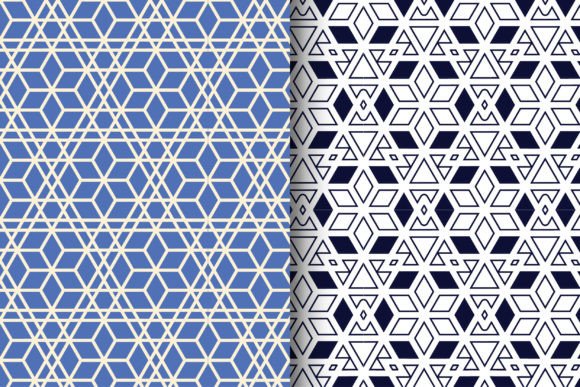
When I opened this Arabic Islamic Geometric Pattern for a recent project—a handmade olive oil brand launching in a historic downtown bazaar—the first thing that struck me wasn’t just its symmetry, but its quiet confidence. It doesn’t shout. It invites. The interlocking stars, tessellated polygons, and rhythmic repetition evoke tradition without feeling archival; it’s precise enough for editorial design, yet warm enough for a local bakery’s seasonal cardamom cookie packaging. This isn’t generic clipart—it reads as intentional, considered, and deeply human. For small business branding, it signals craftsmanship, authenticity, and cultural resonance—ideal for food businesses, skincare brands, boutiques, or candle makers who want elegance without sterility.
Where It Elevates Real Local Business Branding
I tested the Arabic Islamic Geometric Pattern across six real touchpoints for that olive oil launch—and each time, it strengthened visual hierarchy and customer trust. On product labels, it framed the brand name with quiet authority, giving shelf appeal without overwhelming the ingredient list. As a subtle background texture on hang tags and thank-you cards, it added tactile sophistication to an otherwise minimalist handmade business. In social media graphics, it anchored Instagram carousels and Facebook event banners with consistent rhythm—making the brand instantly recognizable even without the logo front-and-center. For menu graphics at their pop-up café stall, we scaled it down as a border element beside pricing, reinforcing cohesion across printed and digital marketing visuals. And yes—it worked beautifully in Canva templates for email headers and printable inserts, proving its flexibility across both web design and physical collateral.
Strategic Uses That Build Brand Identity
- Product labels: Use as a top or bottom accent bar to frame key information—especially effective for spice blends, honey jars, or artisanal tea tins.
- Packaging design: Apply as a foil-stamped band on kraft boxes or as a die-cut window overlay for gift sets—adds luxury without extra cost.
- Seasonal campaign visuals: Layer over warm-toned photography for Eid, Ramadan, or harvest-themed promotions—creates emotional connection through familiar visual language.
- Boutique visuals: Scale large for wall decals in storefronts or small for receipt tape patterns—reinforces brand identity at every customer touchpoint.
- Social media graphics: Crop sections into repeating tiles for Stories backgrounds or post dividers—keeps feeds cohesive and culturally grounded.
Where to Proceed Thoughtfully
This Arabic Islamic Geometric Pattern shines brightest when given breathing room—but it demands intentionality. Avoid cramming it onto very small labels (under 2” x 2”) where fine lines blur in print. Steer clear of using it behind dense ingredient lists or legal disclaimers—it competes with readability. It’s not ideal for formal corporate branding (think law firms or fintech) where neutrality is required, nor for luxury minimalist brands built on stark negative space. And while it works well with serif and display fonts, I found it visually clashes with overly playful script fonts unless carefully balanced—always test beside your actual brand typefaces.
Practical Brand Designer Notes from Real Projects
Before locking in the Arabic Islamic Geometric Pattern for client work, here’s what I do every time:
- Test it on real packaging mockups—not just screen previews—to assess scale, contrast, and texture at actual size.
- Convert to grayscale and check black-and-white usage—some intricate lines vanish if not optimized for offset printing.
- Preview it on small labels using a 300 DPI print simulation—confirms legibility for FDA-compliant food labels.
- Layer it over all brand colors (not just primary)—some gold or terracotta tones deepen the pattern’s warmth, while cool grays can mute its energy.
- Compare side-by-side with competitor packaging—does it stand out *distinctly*, or blend in too easily?
- Verify SVG editability—if you need to recolor individual elements for variant SKUs, vector integrity matters.
- Check PNG transparency edges—fuzzy halos ruin crisp product mockups, especially on white or pastel backgrounds.
- Confirm commercial license covers physical product sales—many creative marketplace assets restrict use on merchandise or food packaging without extended licensing.
Why It Strengthens Small Business Presentation
For local business owners juggling design, production, and marketing alone, a strong graphic design asset like this Arabic Islamic Geometric Pattern does heavy lifting silently. It builds stronger first impressions by signaling care in craft before a single word is read. It improves product recognition—customers begin associating that rhythm and balance with your brand’s values. It supports clearer visual hierarchy on crowded shelves or digital feeds. Most importantly, it fosters customer trust: consistency, precision, and cultural respect communicate professionalism far more effectively than stock photos ever could. Whether you’re a florist wrapping bouquets, a children’s product brand designing gift boxes, or a coffee shop updating seasonal cup sleeves—this pattern adds narrative weight and aesthetic polish to your entire brand identity.
A Final Note for Creative Entrepreneurs
If you’re sourcing design assets for small business branding, prioritize versatility *and* intentionality. This Arabic Islamic Geometric Pattern isn’t just decorative—it’s a functional tool for building cohesion across packaging design, social media graphics, and promotional ads. Used thoughtfully, it becomes part of your brand’s visual vocabulary—not background noise, but meaningful punctuation. Just remember: great design isn’t about adding more. It’s about choosing the right element, once, and letting it resonate across every customer interaction.