10 Ornamentala Decorative Mandala: A Designer's Honest Review
I've spent years working with embroidery files, digitizing artwork, and testing designs on everything from sturdy canvas totes to delicate baby onesies. When 10 Ornamentala Decorative Mandala landed on my desk, I wasn't looking at it as a coloring page collection. I was looking at it the way I look at every piece of vector art that crosses my path—wondering how it would stitch out, what kind of product it would elevate, and whether real customers would reach for it on a craft fair table.
The short answer is yes, with some thoughtful planning. These aren't embroidery files out of the box. They're editable source vectors, which means you're getting the raw creative material. For a digitizer or an embroidery designer who knows their way around Adobe Illustrator, that's a gift. For someone expecting a plug-and-play embroidery file, you'll need to factor in the digitizing step. But let's talk about what these mandalas actually bring to the table.
First Glance: The Calm Precision of a Well-Drawn Mandala
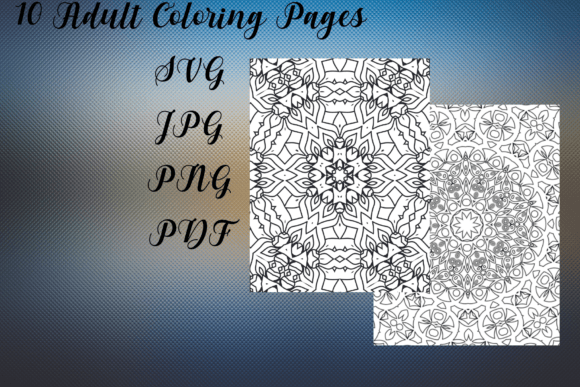
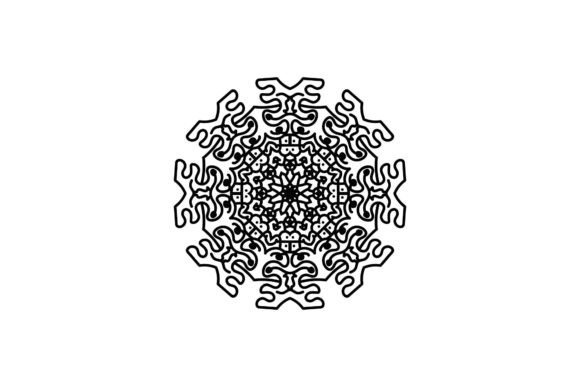
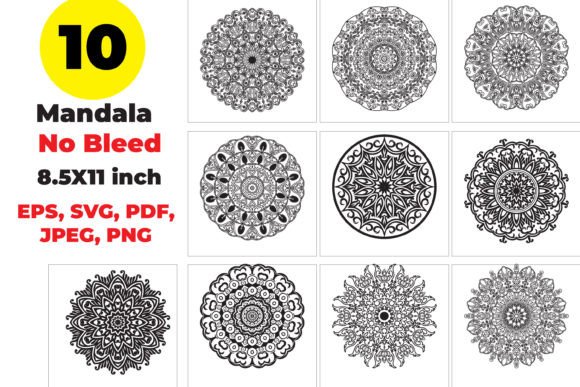
Opening the 10 Ornamentala Decorative Mandala set, I immediately felt that quiet, rhythmic pull that good mandala artwork creates. Each of the ten designs has a circular, balanced structure with ornamental flourishes that radiate from the center. The lines are clean, the symmetry is tight, and the decorative elements feel intentional rather than cluttered. Some designs lean more floral, others more geometric, and a couple have a slightly bohemian, almost henna-inspired intricacy. That variety matters when you're building a product line.
What struck me as a designer wasn't just the prettiness—it was the usability. The detail level sits in a sweet spot. Not so dense that tiny stitches would blur together on a pocket-sized patch, and not so sparse that the mandala loses its ornamental character. I immediately started mentally placing these on a cream linen pillow cover, a slate gray sweatshirt, and a natural canvas tote. They belong there.
When a Mandala Becomes Stitch Art: The Real Project Test
Let me paint you a real scenario. I had a client request a custom embroidered tote bag for a bridal shower gift. She wanted something elegant, timeless, and not overtly wedding-themed—something the recipient would actually use after the event. I pulled up 10 Ornamentala Decorative Mandala and found a design with delicate petal-like shapes and a subtle lace quality. After digitizing it with a mix of satin stitch for the bolder outlines and lighter fill stitch for the inner details, I ran a test on medium-weight cotton canvas.
The result was better than I expected. The mandala held its shape beautifully, the circular symmetry read perfectly from a distance, and up close, the ornamental details gave the tote a boutique feel. The client loved it, and the bride-to-be apparently carried it to every farmer's market for the next six months. That's the kind of quiet win a good design asset delivers.
Where These Designs Shine Brightest
After working with several mandalas from the set across different projects, here's where I'd confidently use them:
- Custom sweatshirts and crewnecks—especially centered on the chest or as a larger back piece. The circular shape anchors a garment beautifully.
- Canvas tote bags—a natural pairing. The mandala's symmetry against the rectangular bag creates visual balance.
- Linen or cotton pillow covers—these designs turn a plain cushion into something that looks handmade and intentional.
- Kitchen towels and tea towels—one mandala corner accent or a centered motif adds quiet elegance.
- Embroidered patches—digitize, stitch on felt or twill, add a merrowed edge, and you have a sellable patch product.
- Boutique baby blankets and nursery decor—softened with pastel thread, a mandala feels gentle and whimsical.
- Holiday gift items—think personalized stocking accents, ornament designs, or gift pouch embroidery.
- Boho-style aprons and market bags—the ornamental vibe fits right into that aesthetic.
What I appreciate most about 10 Ornamentala Decorative Mandala is how the designs adapt to different product categories without feeling forced. The same mandala that looks refined on a wedding keepsake pouch can feel earthy and grounded on a rustic jute tote. That versatility is money in the bank for a small shop owner.
Watchpoints: Where You Need to Proceed Thoughtfully
No design is universal, and mandalas come with their own set of practical considerations. Here's what I've learned through trial and error:
Small hoop sizes are the enemy of fine detail. If you try to cram one of these ornamental mandalas into a 4x4 hoop, you'll lose the delicate inner elements. The lines will compress, and the stitch density might create a stiff, puckered mess. Give these designs room to breathe. I'd recommend at least a 5x7 hoop for the simpler mandalas and larger for the more intricate ones.
Stretchy fabrics demand extra stabilizer. On a cotton tee or a jersey knit, the mandala's circular structure can distort if the fabric shifts during stitching. A good cutaway stabilizer is non-negotiable, and I'd add a water-soluble topper on textured or looped fabrics like terry cloth or fleece.
Dark fabrics need contrast testing. A mandala stitched in soft dove gray on a charcoal sweatshirt might look stunning in your mind, but on the machine, those fine ornamental lines can disappear. Test your thread color on a swatch of the actual fabric under natural light before committing to a full run.
Curved surfaces like caps and hats are tricky. Mandalas are fundamentally circular, and wrapping that perfect circle around the curved crown of a baseball cap often breaks the symmetry. I've done it successfully, but only with smaller, simpler mandalas from the set and a lot of hooping patience. Not a beginner project.
Frequent washing demands stitch integrity. If you're putting these on kitchen towels or baby items that will see regular laundering, check your stitch density. Too many tiny satin stitches packed close together can snag or fray over time. A slightly looser fill stitch with clean underlay often holds up better.
The Customer's Eye: What Buyers Actually Notice
I've sold enough handmade products to know that customers react to mandalas on a gut level. There's something universally appealing about the symmetry—it reads as balanced, harmonious, and intentional. When a customer picks up an embroidered tote with a well-stitched mandala, they don't analyze the stitch type. They feel the quality. The design looks complete, not like something is missing. That's the psychological edge of a circular ornamental motif.
From a branding perspective, 10 Ornamentala Decorative Mandala gives you a cohesive visual thread. You can use variations across different products—one mandala on a pouch, another on a coordinating pillow, a third on a market bag—and the collection feels unified. That's smart for Etsy sellers building a recognizable shop aesthetic or for boutique owners creating a signature look.
Giftability also goes up. Mandalas don't scream a specific season or trend, so they work for birthdays, weddings, housewarmings, and holiday gifts equally well. A mandala-embroidered item feels personal without being overly niche.
Practical Designer Notes From the Stitching Table
Before you load these designs into your workflow, here's my honest checklist based on real use:
- Test on scrap fabric first. Always. Every mandala behaves differently depending on thread weight, fabric type, and stabilizer choice.
- Check thread color contrast carefully. What looks crisp on screen can blur on fabric. Test light thread on dark fabric and dark thread on light fabric.
- Review stitch density before production. As the digitizer, you control this. Don't overpack the stitches just because the vector art has fine lines.
- Confirm your hoop size. Measure the digitized design, not just the artboard. Account for any registration shifts.
- Inspect small details at actual size. Zoom in on the digitized preview. If a tiny ornamental flourish looks like a blob, simplify it.
- Test in black and white. A mandala that relies on color contrast might not read well in monochrome. Test it.
- Compare light and dark fabric backgrounds. The same design can look completely different. Run both tests.
- Use appropriate stabilizer. Cutaway for knits, tear-away for wovens, and always a topper on textured surfaces.
- Check licensing terms. Since these are editable vector files from a Coloring Pages & Graphics category, confirm whether commercial use on finished products is permitted. Don't assume.
- Understand the file format. You're getting AI and EPS files, not embroidery-specific formats like PES or DST. Digitizing is your responsibility.
Are These Right for Your Embroidery Business?
If you're a digitizer, an embroidery designer who creates your own stitch files, or a craft business owner who works with a digitizer, 10 Ornamentala Decorative Mandala is a solid investment. The artwork is clean, the variety across ten designs gives you range, and the ornamental style has broad market appeal. You're not buying finished embroidery files—you're buying the creative foundation. That distinction matters.
For Etsy sellers, these mandalas can become the backbone of a cohesive product line. Picture a shop section with embroidered mandala totes, matching zipper pouches, coordinating pillow covers, and maybe a few framed hoop art pieces. The repetition of the circular motif across products builds brand recognition without feeling repetitive.
For craft fair vendors, one well-digitized mandala on a quality canvas tote can outsell a dozen generic designs. Customers pause at mandalas. They pick them up, trace the lines with their fingers, and smile. That moment of tactile connection is what turns a browser into a buyer.
For small shop owners doing personalized gifts, a mandala adds an elevated, handcrafted feel that a simple monogram can't always achieve. Pair a delicate mandala from this set with a single initial in the center, and you've created something that feels custom, thoughtful, and refined.
Final Stitch: Why I'd Keep These in My Design Library
10 Ornamentala Decorative Mandala won't do the work for you, but it will give you a beautiful starting point. The vector files are clean, the designs are versatile, and the ornamental style fits everything from boho market bags to elegant wedding keepsakes. As a designer who's seen plenty of clip art that falls apart under the needle, I appreciate artwork that's drawn with stitch-out potential in mind—even if the original intent was coloring pages. These mandalas have that structural integrity. They're balanced, they're detailed without being fragile, and they translate well to thread.
If you're willing to put in the digitizing time and test thoughtfully, this set can anchor a product line you're proud to put your shop name on. And that, in the end, is what separates a design asset you use once from one you return to again and again.